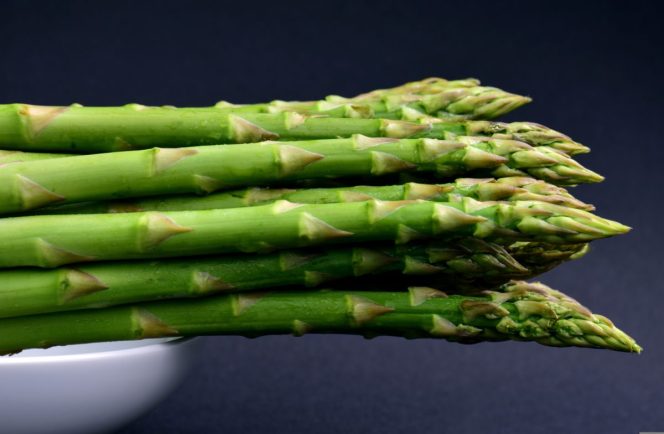
As another asparagus season draws towards its traditional June 21 finale, growers across the Vale of Evesham are once again harvesting one of Britain’s most celebrated crops.
For a few short weeks every year, the humble green spear takes centre stage, appearing on restaurant menus, filling farm shop shelves and drawing visitors from across the country to the area long regarded as the home of British asparagus.
But behind the annual celebrations lies a question that stretches far beyond this year’s harvest. What does the future hold for a crop that has been woven into the identity of the Vale for centuries?
Asparagus is far more than a seasonal vegetable in this part of Worcestershire. It is part of the landscape, part of the economy and part of the area’s history. Generations of families have built their livelihoods around growing it, while entire villages have helped shape a reputation that extends well beyond the county’s borders.
For many people, the first taste of British asparagus signals the arrival of spring. For the Vale, it represents something much deeper, a living connection to a rich market gardening heritage that helped earn the area its reputation as the fruit and vegetable basket of England.
The story of asparagus in the Vale stretches back hundreds of years. During a visit to Woodfield Farm, farm manager John Sampson explained that records suggest asparagus was being grown in the area as far back as the 16th century.
Over the centuries, the crop became perfectly suited to the unique conditions found across the Vale. Sheltered by the Malvern Hills and Bredon Hill and blessed with fertile, free-draining alluvial soils deposited by the River Avon, the area developed a natural advantage that few other parts of Britain could match. Even today, growers are able to produce some of the country’s earliest asparagus because the Vale warms more quickly than many surrounding regions.
By the late Victorian era and well into the 20th century, market gardening dominated life in the Vale. Thousands of small growers cultivated fruit, vegetables and flowers on plots that often measured only a few acres. Produce was transported by rail to Birmingham, Liverpool, Manchester and London’s Covent Garden market. Families worked long hours cultivating crops that would help feed a growing nation. Among the plums, apples, gooseberries, beans and spring onions, asparagus became one of the crops most closely associated with the region.
At its peak, more than 1,000 acres of asparagus were being grown across the Vale. Yet the industry that had once defined the area faced significant decline during the second half of the 20th century. Changing consumer habits, the rise of supermarkets, increased imports and the gradual disappearance of small-scale market gardening all took their toll. By the 1970s, asparagus acreage had fallen dramatically and some feared the crop could eventually disappear from the landscape altogether.
Instead, it staged a remarkable revival.
Growing public interest in seasonal British produce, support from chefs and food writers and the creation of the British Asparagus Festival helped restore the crop’s profile. What had once been viewed as an old-fashioned local speciality became a sought-after seasonal delicacy. Today, the Vale’s asparagus enjoys Protected Geographical Indication status, recognising the special relationship between the crop and the area where it is grown.
Yet despite its popularity, asparagus remains one of the most demanding crops a farmer can grow.
Unlike cereals or many vegetable crops that deliver relatively quick returns, asparagus requires patience and faith. Once planted, an asparagus bed can remain productive for more than a decade. Growers may wait four or five years before seeing peak yields. Decisions made today can shape the future of a business for the next ten to fifteen years.
That level of commitment comes with substantial financial risk. At Woodfield Farm, growers recently revealed that new asparagus crowns cost around 40 pence each and that planting costs can exceed £10,000 per hectare. A large planting programme can involve investments of more than £100,000 before a grower receives a significant return. In a period of rising wage costs, increasing National Insurance contributions, volatile energy prices and wider uncertainty within agriculture, those figures represent a considerable gamble.
Labour presents another challenge. Every spear of asparagus must still be harvested by hand. During warm weather, fields may need to be picked twice a day because the crop can grow so rapidly. A spear that is perfect one day may be unsuitable for sale the next. There is little room for mistakes and no opportunity to delay the harvest.
Yet perhaps the greatest challenge facing the industry is not one of weather, costs or labour. It is succession.
Across British agriculture, farmers are increasingly asking who will take over family businesses in the decades ahead. For asparagus growers, that question carries particular significance. Planting a new asparagus field is not simply an investment in next year’s harvest. It is a commitment to the next decade and beyond. It requires confidence that labour will remain available, that consumers will continue to support British produce and that farming businesses will remain economically viable.
The concern is not that asparagus will suddenly disappear from the Vale. Demand remains strong and growers continue to invest in new crops. Restaurants still celebrate the season and visitors continue to flock to events dedicated to the region’s most famous vegetable. The challenge lies in ensuring that future generations are willing and able to continue planting the crop that helped shape the area’s identity.
That matters because asparagus is about more than farming.
It represents one of the last visible links to the market gardening culture that once dominated the Vale. It tells the story of generations of growers who transformed a fertile corner of Worcestershire into one of the country’s most important food-producing regions. It connects modern Evesham with its past and continues to provide a sense of place that few areas can replicate.
As the final weeks of the 2026 season pass, there is every reason to celebrate the success of a crop that has survived changing fashions, economic upheaval and dramatic changes in agriculture. But there is also value in asking difficult questions about the future.
The Vale of Evesham has been growing asparagus for centuries. Whether it remains Britain’s asparagus capital for centuries more may depend on the decisions being made in fields across the district today.
The Evesham Observer would like to hear from local asparagus growers about the opportunities and challenges facing the industry.
Email [email protected] and share your views on the future of asparagus growing in the Vale of Evesham.