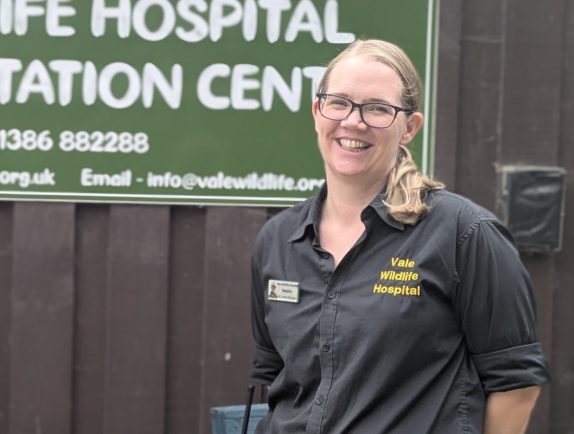
IN OUR third ANIMAL MAGIC column, Natalie Gould of the Vale Wildlife Hospital & Rehabilitation Centre near Evesham, explains why the confirmation of avian flu in Worcestershire has affected how they treat and care for its patients.
The disease was confirmed at a commercial poultry farm near Hallow, Malvern Hills, on November 8. The Food Standards Agency, however, has confirmed that bird flu poses a very low risk to the public.
By Natalie Gould
WINTER is a particularly difficult time at Vale Wildlife Hospital, and not because of the number of patients we get in, which is considerably less than during spring and summer, but because of the problems these patients can present with at this time of year.
Something that is really worrying at the moment is the alarming increase in avian influenza cases around the UK, and a number of those confirmed cases are local to us.
This is impacting how we admit birds at the hospital, particularly waterfowl and birds of prey.
We have set up a ‘bird triage’ trailer in our front car park to ensure no bird, of any species, enters the main hospital building until they have had a full assessment.
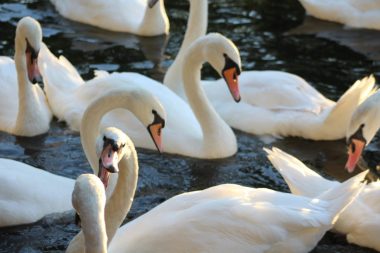
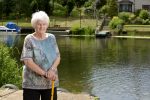
Swans on the river Avon at Evesham. Picture by Lise Evans
We are currently only taking in waterfowl and birds of prey from the local area. Although we are regularly reviewing our protocol, we are likely to have to put further restrictions in place to ensure the safety of all of the current patients in our care.
These restrictions are not put in place lightly, and whilst we understand it can be very upsetting for members of the public when we are limited in how we can help. Please understand that it’s upsetting for us too. We’re here to rehabilitate as many wildlife casualties as possible.
The reason we have to be so strict is that if we had a confirmed case, we would likely have all of our birds on site culled (including our resident emu, Bobby, who many will have seen at our annual open day).
Avian influenza viruses can also infect mammals – this is known as influenza of avian origin. Therefore, we would be putting all our mammals in the hospital at risk, too.
The relevant government agencies would close the hospital, and we would be unable to help any wildlife for a number of months.
Current advice is not to touch or move any dead or sick wild birds.
When it comes to feeding wild birds, this isn’t something we want to stop, as feeding wildlife during winter is vital, particularly as their own food sources can be scarce.
If you feed wild birds in your garden, ensure you disinfect your feeders/bowls and water dishes regularly, and remember to wash your hands thoroughly after handling any equipment used by birds.
When feeding ducks, swans and geese, try to feed away from town and city areas where waterfowl are usually in large numbers, making avian influenza easier to spread between the flock.
Remember, don’t feed bread as it has little nutritional value, can cause health problems for waterfowl, and damages the environment when any uneaten bread starts to rot.
Instead, offer floating swan and duck food (like Vale’s Swan & Duck Food available directly from the hospital in Beckford or on Amazon) or healthier alternatives like peas and sweetcorn.
If you’re concerned about any wild birds or need advice, don’t hesitate to contact us on 01386 882288.
You can report dead wild birds online by visiting www.gov.uk/guidance/report-dead-wild-birds or by calling 03459 33 55 77.