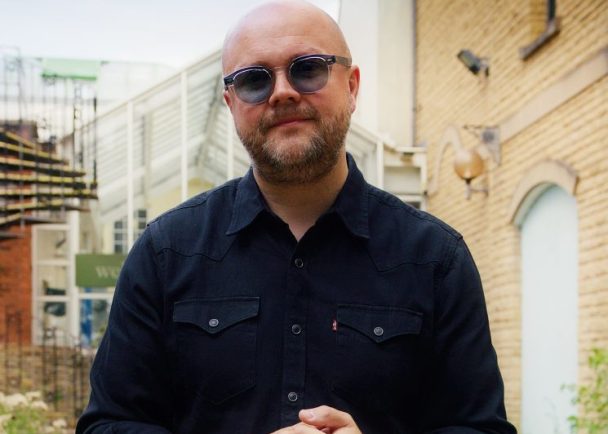
Councillor Craig Reeves, who represents Harvington and Norton at Wychavon District Council as an independent, gives his reaction to the recent local authority budget-setting meetings.
By Councillor Craig Reeves
This month, I’m going to be pretty blunt.
Local politics has been shhh…ocking. What we’ve witnessed is party-political warfare that has done little to bridge the gap between residents and those elected to represent them.
Over the past week, two budgets have passed through the district (Wychavon) and county (Worcestershire) councils. Wychavon’s budget moved through fairly fluidly, with only one last-minute amendment prompting some flare and debate.
All eyes, however, were on Worcestershire County Council, where parties struck deals, amendments were tabled in abundance, and verbal bullets were exchanged across the chamber.
If you have a spare day, you can watch both meetings online – search YouTube for the relevant live streams. But be warned: it is crass viewing.
The substance of the budgets, what they will or won’t cost us, has been widely reported, but what I wish to shine a light on here is the drama that surrounded both events.
A concern, one we see at our town, district and county levels alike: party politics.
What does party politics give us? Unified voice? Ideology to align with? But what we also get are members all towing the same party line, movements that work to bolster the party’s position and build momentum for power and control.
When parties batten down the hatches and feud with one another, it creates a rift between councillors and the communities they represent. And speaking with many recently, there is a clear disconnect between residents and their council.
I write this as an independent councillor – the only one in Wychavon.
My focus has always been on local matters: lobbying for residents, steering practical solutions, and championing our shared spaces. Yet at the town, district and county levels, party politics is increasingly present – and increasingly frustrating.
As national politics becomes more polarised, that polarisation filters down. The lines blur, and residents are left questioning what they truly get for their vote. Constructive debate about local priorities and budget direction starts to resemble Prime Minister’s Questions.
With local government reorganisation fast approaching, a new ‘combined’ council will form in 2028.
There is much to understand about how our councils will unite – details are available at transformingworcestershire.co.uk. But with this new structure will come fewer representatives, and I fear an even stronger grip of party politics.
For me, this is a window of opportunity. It is a moment to encourage more people to take an interest, to help bridge the gap between services, representation and residents, and to be part of shaping meaningful change.
We need less party choreography and more local voices with compassion and motivation to shine through.