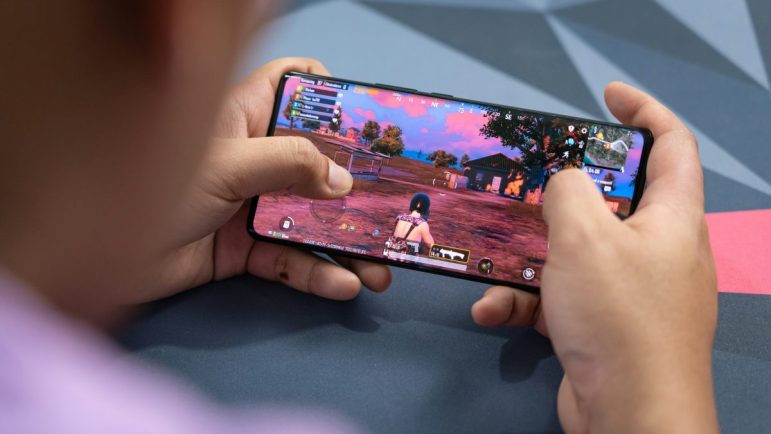
Gaming is the go-to form of entertainment these days.
Gone is the era when movies and music dominated; when people think of their favorite pastime in today’s world, gaming often comes to mind.
Unlike in its early days, gaming is no longer limited to a specific demographic. Almost anyone you come across is a potential gamer. Two of the biggest reasons for this shift are the proliferation of smartphones and high-speed internet, which led to a casual gaming boom that opened gaming up to a whole new audience.
These great equalizers lowered the bar of entry to the gaming world, making it accessible to just about everyone. Games have become a place where people go to have fun, escape their day-to-day routine, and even socialize. In this article, we look at what it is about gaming that has turned it into the quintessential modern pastime.
Accessibility and Variety
Gaming couldn’t become a global phenomenon until it became accessible to the masses, and that’s just what happened as the gaming industry began to focus its attention on creating casual games. Hardcore gamers have taken front and center for a big part of gaming’s history, but a shift occurred around the time the first iPhone was released in 2007. With the iPhone and Android smartphones that followed, users could easily access a wide range of games on the go.
Where once upon a time, gamers had to travel to a brick-and-mortar establishment if they wanted to play casino games; with the expansion of high-speed internet and mobile devices, they could visit virtual platforms to play their favorite games.
As arguably the most famous card game in the world, it’s no surprise poker gained a large following online. Whether gamers wanted to learn the ins and outs of how to play Omaha or another poker variant, they could do so online; all they needed was a computer or mobile device. It wasn’t just poker that took off; everything from casual titles like Candy Crush Saga to massively multiplayer online role-playing games like RuneScape became hits. There was a game for just about everyone, and that variety played a big role in turning gaming into the go-to pastime of millions.
Social Connections and Community

Photo by Samsung Memory on Unsplash
While socializing may not come to mind when you think about gaming, if you think about your last gaming session, there’s a good chance you have an opportunity to interact with other players. Gaming has become a place where people come together from around the world to play multiplayer titles, chat in online forums, and share tips on streaming platforms. Many gaming titles feature cooperative and competitive play, which requires gamers to work with each other. As a result of all of the interactions, friendships are often formed and communities of gamers as well.
Then there’s esports, where gamers worldwide compete at tournaments to see who’s the best at their respective game. Esports competitions are often team-based, just like you’d find in traditional sports. After hours of training together, these gamers develop a sense of camaraderie from shared experiences. The same is true of local gaming meet-ups, which give gamers a chance to get to know each other in person and exchange information about the games they’re playing.
Creativity and Immersion
One of the biggest selling points of modern games is the level of immersion that’s involved. It’s unlike anything gamers experienced in the past. These games feature deep storytelling and rich artistic design. If they weren’t interactive, you might think you were transported to a movie theater while playing these titles; that’s how good the graphics are. Emerging technologies like virtual reality and augmented reality have taken the gaming experience to a whole new level, allowing players to explore never-ending universes with detailed stories.
These games aren’t just about entertainment; as you play, you’re often using critical thinking and problem-solving skills to progress as you go through different scenarios and make decisions that could change the outcome of the game. All of this creative engagement helps stimulate the imagination and equips gamers with skills they can use in the real world.
Article by Isabel Ivanova