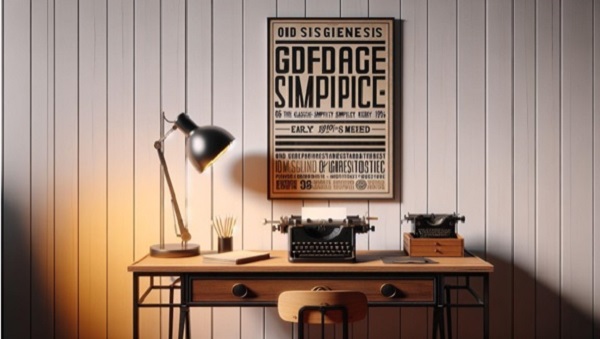
In the bustling world of modern advertising, a curious trend has emerged: the resurgence of vintage poster design. These designs, once relegated to the annals of history, are now experiencing a revival, gracing everything from billboards to social media feeds. This renaissance is not just a nostalgic nod to the past; it’s a testament to the timeless appeal and enduring effectiveness of these designs.
Vintage posters, with their bold typography, striking color palettes, and evocative imagery, have always held a certain charm. They were the marketing tools of their time, used to sell everything from household products to grand political ideas. Today, these designs are being reimagined and repurposed, finding a new life in contemporary advertising. One of the mediums through which this revival is taking place is canvas prints, which offer a tactile, durable way to showcase these vintage designs.
But why are these old-school designs making a comeback? What is it about them that resonates with today’s audiences? And how are modern advertisers leveraging this trend to their advantage? These are questions worth exploring as we delve into the renaissance of vintage poster design.
Historical significance of vintage poster design
The history of vintage poster design is rich and varied, tracing its roots back to the late 19th and early 20th centuries. This was a time when posters were not just advertisements but works of art, created by some of the most talented artists of the era. The Art Nouveau movement, for instance, saw artists like Alphonse Mucha create posters that were as much about aesthetics as they were about selling products.
These posters were characterized by their intricate designs, flowing lines, and vibrant colors. They often featured idealized images of people and products, creating a sense of aspiration and desire. The influence of this movement can still be seen in today’s vintage-inspired designs, with their emphasis on beauty and elegance.
As we moved into the 20th century, the style of poster design began to change. The Art Deco movement brought with it a more streamlined, geometric aesthetic. Posters from this era were bold and dynamic, with strong lines and contrasting colors. They often depicted scenes of modernity and progress, reflecting the optimism of the time.
During the World Wars, posters took on a more utilitarian role, used to convey important messages and boost morale. These posters were often stark and powerful, using simple imagery and text to get their point across. The famous “We Can Do It!” poster featuring Rosie the Riveter is a prime example of this era’s style.
In the post-war years, poster design continued to evolve, influenced by various artistic movements and cultural shifts. The psychedelic posters of the 1960s, with their swirling colors and surreal imagery, reflected the counterculture of the time. Meanwhile, the minimalist designs of the 1970s and 1980s emphasized simplicity and clarity.
Throughout all these changes, one thing remained constant: the power of the poster to capture attention and convey a message. This historical significance is part of what makes vintage poster design so appealing today. It’s a connection to a bygone era, a reminder of the artistry and craftsmanship that went into these creations.
Key elements of vintage poster design
Understanding the key elements that define vintage poster design is crucial to appreciating their appeal. One of the most distinctive features is typography. Vintage posters often use bold, decorative fonts that are both eye-catching and evocative. These fonts are not just about readability; they’re about creating a mood and setting a tone.
Color schemes are another important element. Vintage posters typically use a limited palette of vibrant, contrasting colors. This not only makes the designs stand out but also gives them a cohesive, harmonious look. The use of color is often symbolic, with different hues conveying different emotions and messages.
Illustrative techniques also play a key role. Vintage posters often feature hand-drawn illustrations that add a personal, artistic touch. These illustrations can range from highly detailed and realistic to more stylized and abstract. The choice of style depends on the message the poster is trying to convey.
Together, these elements create a distinctive aesthetic that is both nostalgic and timeless. They evoke a sense of history and tradition, while still being relevant and appealing in today’s world.