OIL prices continue to influence economies around the world, and the UK is no exception. In 2026, rising energy costs could affect everything from household spending to transport, inflation and business confidence across Britain.
Why Oil Prices Still Matter to the UK
Even though the UK has invested heavily in renewable energy over recent years, oil remains a major part of the economy. Petrol, diesel, aviation fuel, manufacturing, logistics and heating costs are still linked to global crude oil markets. When people follow energy markets or monitor the price of an oil CFD, they are often trying to understand how future oil movements could impact wider financial conditions. Oil no longer affects only energy companies. It can influence inflation, consumer confidence and even the value of the pound.
The UK is especially sensitive to global energy trends because many industries rely on imports and international supply chains. A major rise in crude prices can therefore spread quickly throughout the economy.
Higher Fuel Prices for Consumers
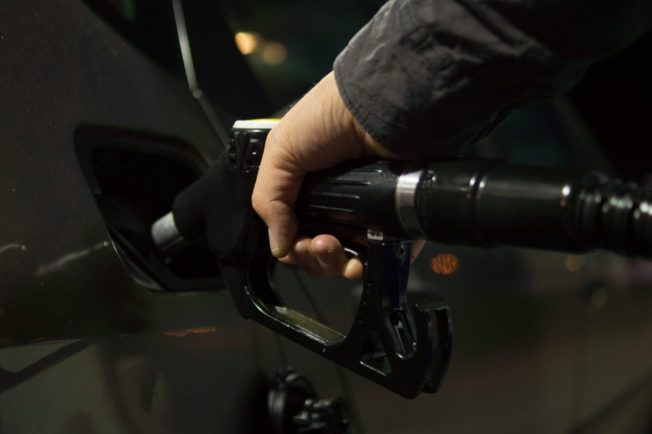
One of the first places people notice rising oil prices is at petrol stations. If oil prices continue climbing in 2026, British drivers could face higher fuel bills across the country.
This affects commuters, delivery drivers and families alike. Even a relatively small increase in fuel prices can add noticeable monthly costs for households already dealing with expensive mortgages, rent and food prices.
Public transport may also become more expensive. Bus companies, airlines and logistics firms often pass some of their increased fuel costs onto customers. Flights from the UK could become more expensive during peak holiday seasons, especially if airlines face prolonged pressure from rising oil markets.
For many households, this creates a chain reaction where less disposable income is available for shopping, dining out or entertainment.
Inflation Could Remain Elevated
Oil prices are closely connected to inflation. When energy and transport costs rise, businesses usually face higher operating expenses. Many companies eventually increase prices to protect profit margins.
This could make inflation harder to control in 2026, even if other parts of the economy begin slowing down.
Food prices are particularly vulnerable. Supermarkets depend on transportation networks, refrigeration and packaging, all of which become more expensive when oil prices rise. Agricultural production can also be affected through fuel and fertiliser costs.
If inflation remains stubbornly high, the Bank of England may decide to keep interest rates elevated for longer than expected. That could continue putting pressure on homeowners and businesses borrowing money.
Pressure on UK Businesses
Rising oil prices do not affect all businesses equally. Some sectors may experience stronger pressure than others.
Transport and logistics companies are often among the most exposed. Delivery networks, freight businesses and airlines can see costs rise quickly when fuel becomes more expensive.
Manufacturing businesses may also struggle with higher production costs. Factories that rely heavily on machinery, transportation or imported materials could see profit margins shrink.
Small businesses may feel the impact especially strongly because they often have less financial flexibility than larger corporations. Restaurants, retailers and service companies already facing higher wages and rent may find it difficult to absorb further energy-related expenses.
At the same time, some UK energy companies could benefit from stronger oil prices. Businesses involved in North Sea production or energy infrastructure may see improved revenues if global crude prices remain high.
Could the UK Energy Sector Benefit?
The UK still has a significant energy industry, particularly around the North Sea. Higher oil prices can sometimes support investment, employment and profits in these regions.
Energy companies may increase exploration or production activity when prices rise because projects become more financially attractive. This could provide economic benefits in certain parts of Scotland and northern England connected to the oil and gas sector.
However, the situation is complex. While producers may benefit, consumers and many businesses face higher costs at the same time. Governments therefore often face political pressure when energy prices rise sharply.
There could also be renewed debate in 2026 about balancing energy security with environmental goals. Some policymakers may argue for more domestic energy production, while others may push for faster investment in renewables to reduce dependence on volatile oil markets.
Looking Ahead to 2026
Oil prices are likely to remain an important economic factor throughout 2026. Higher crude prices could affect inflation, transport costs, household spending and business confidence across the UK.
While certain energy producers may benefit from stronger markets, many consumers and businesses would probably face additional financial pressure. The overall impact will depend on how long prices remain elevated and whether governments and central banks can successfully manage the economic effects.
One thing appears clear: despite the global shift toward renewable energy, oil still plays a major role in shaping economic conditions in Britain.
Article written by Louis Wheeler