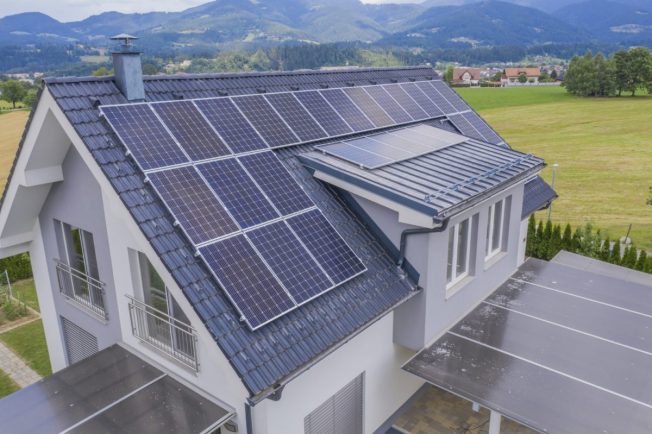
Ever wonder if it’s really worth the cost to use solar power rather than traditional electricity? As most energy rates continue to creep up, more and more homeowners want the best way to save money down the line with solar. But how much is it really going to save you? Let’s break it down.
Initial Cost vs Long-Term Savings
Sure, most of us enjoy the convenience that traditional electricity affords us. But besides paying a bill every month, have you ever considered the cost?
Having the solar cells installed, of course, will require the outlay of capital. A solar panel costs between $15,000 and $25,000 in the U.S., depending on how big the system is and your location. For more information visit this WhatCost guide on solar panels
Monthly Costs: Solar vs Traditional
If you don’t have solar electricity, your bill might be different. This depends on your electricity rate and how much electricity you use, of course. However, the average U.S. residential electricity customer uses about 909 kWh a month and bills rate at about 12.67 cents/kWh. Resulting in about $115 a month or over $1,300 a year. That is well over $13,000 in a decade.
When you do have the solar panel cells, then this will be an expense that’s cut to essentially zero. Besides any applicable leasing fee, if you don’t own the panels — or maintenance fee — many homeowners with solar panels pay less than $50 a month in electricity; some even report paying nothing.
Clearly, how much you save will depend on your own energy usage and how energy-efficient your home is.
The Payback Period
On average, the break-even point, or the time period in which your solar panels will have paid themselves off, is between 6-10 years after installation. This can be much less in many areas throughout the US if you consider tax credits or rebates.
Unfortunately, with traditional electricity, you will never break even. You can expect to pay your bill every month into eternity.
The Hidden Costs of Traditional Electricity
Traditional electricity has a hidden cost that doesn’t come with your power bill each month: potentially higher future costs. Though your electricity cost will likely increase over time, your solar power cost should remain consistent.
Solar Vs. Electricity Investment: The Bottomline
So, which is cheaper: solar or electricity? If you’re willing to wait and be patient, solar should clearly come out on top. You’ll quickly recover your solar power investment and have a significantly smaller or zero balance each month. However, since there is little to no upfront cost, traditional electricity may seem cheap, but it won’t be once you get into the future.
This article is written by WhatCost