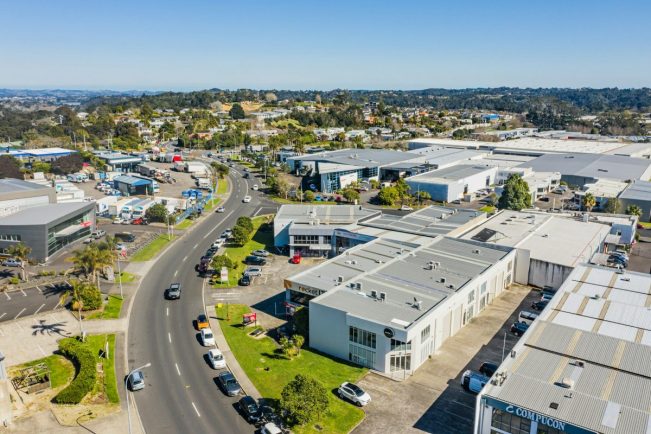
Worcestershire is on the brink of a major logistics expansion.
Plans for a 1.1 million sq ft industrial and logistics park near Worcester, located by junction 7 of the M5 in Whittington, show just how quickly demand is growing. The development, part of the wider Worcestershire Parkway Strategic Growth Area, could create more than 1,600 on-site jobs and a further 2,300 roles across the wider economy.
It’s a strong signal that logistics is no longer operating in the background here. It’s becoming one of the region’s key economic drivers.
But while the outlook is positive, there’s a more immediate challenge sitting just beneath the surface.
Demand is rising faster than supply
While these developments are being talked about, the reality on the ground is already quite different.
Across Worcestershire, demand for warehouse space is starting to outstrip what’s actually available, especially when it comes to newer, high-quality units. And it’s not just about finding any space anymore. Businesses want the right space: energy-efficient buildings, good transport links, and facilities that can support more modern, tech-driven ways of working. That kind of choice is becoming harder to come by.
At the same time, developers are being understandably cautious. With construction costs still high and a fair bit of economic uncertainty around, many aren’t willing to push ahead without securing tenants first. That’s slowing down the pipeline of new sites, even though demand isn’t easing off.
For businesses trying to grow or adapt, it creates a tricky situation. Expanding, relocating or improving operations isn’t always straightforward when options are limited and costs keep creeping up.
The pressure behind the boom
This rise in demand isn’t coming from just one place, it’s happening for a few different reasons at once.
Ecommerce is a big part of it. Customers now expect things to arrive quickly, which means businesses need faster, more flexible ways to store and move their goods. At the same time, as the region continues to grow, companies are having to rethink where they base their operations and how their logistics actually work day to day.
What’s interesting is that it’s not just online retailers feeling the shift. Even more traditional businesses, which may have managed with fairly simple storage and delivery setups in the past, are now dealing with much more complex demands. Things like real-time stock visibility and next-day delivery are becoming the norm rather than the exception.
All of this is creating a logistics market that’s growing quickly, but not always in a smooth or balanced way.
A gap between today and tomorrow
Big developments like the proposed logistics park near Worcester will go some way to easing the pressure, but they’re not going to happen overnight.
Right now, a lot of businesses are stuck in the middle. Demand is growing, expectations are rising, but the infrastructure hasn’t quite caught up yet.
That’s where more flexible logistics support is starting to play a bigger role.
SFI Logistics, which works with businesses across the UK on warehousing, distribution and project logistics, is one of the companies helping to fill that gap. Instead of locking businesses into long-term leases or forcing them to invest heavily in their own space, they offer something more adaptable.
That could be short-term storage, help managing inventory, or full pick, pack and distribution services depending on what’s needed at the time. For businesses that are growing or changing quickly, that kind of flexibility can make a real difference.
A spokesperson for SFI Logistics said:
“Worcestershire is clearly building momentum when it comes to logistics, and developments like the proposed site near Worcester show where things are heading.
“But for many businesses, the challenge isn’t five years down the line, it’s right now. They need space, they need efficiency, and they need solutions that can move with them as they grow.
“Flexible logistics gives them that breathing room. It means they can scale up without being held back by the limitations of infrastructure.”
More than just space
The challenge isn’t just about finding space anymore, it’s about finding the right kind of space.
Modern logistics has moved on from simply needing a warehouse and a loading bay. Businesses are now thinking about things like energy efficiency, sustainability, and whether a site gives them access to the right people and skills. Location still matters too, especially being close to major road networks, but it’s no longer the only deciding factor.
At the same time, costs are going up across the board. That’s pushing businesses to take a closer look at how they’re using space. Some are scaling down to run more efficiently, while others are combining operations to keep overheads under control.
All of this is changing expectations. Businesses don’t just want storage, they want support. Flexibility, clear visibility over stock, and help managing day-to-day operations are becoming just as important as the physical space itself.
A region at a turning point
Worcestershire’s logistics sector feels like it’s at a bit of a turning point.
The demand is clearly there, and investment is starting to follow. With strong motorway links and access to major markets, the region is in a great position for long-term growth.
But this isn’t something that’s going to happen overnight.
In the short term, businesses are still dealing with a market where choice is limited, costs are rising, and operations are becoming more complex. The opportunity is there, but the infrastructure hasn’t fully caught up yet.
So the real question isn’t whether Worcestershire is ready for a logistics boom, it’s whether what’s in place today can properly support the businesses driving it.
For now, many are finding ways to work around the gaps. And in doing that, they’re actively shaping what logistics in the region will look like going forward.
Article written by Olivia Lison