
AFTER an indulgent Christmas, many people want to get fit in the New Year.
And, believe it or not, exercising is far from a modern phenomenon. From prehistoric times when it was a matter of survival, through the Renaissance when fencing and horse back riding were all the rage, to early 20th century “fitness for the masses”, people have always been intent on keeping trim.
A more in depth look into how different eras approached exercise may help inspire that illusive New Year fitness regime.
Prehistoric Era (Before 3000 BCE)
Fitness was all about survival and functionality.
Activities would have included hunting, gathering, climbing, running and lifting heavy objects.
Ancient Civilizations (3000 BCE to 500 CE)
Egyptians were into military training, swimming, and dancing. Physical fitness was often tied to religious or ceremonial practices.
Greeks had a highly formalized approach to fitness. There were gymnasiums for wrestling, running, discus and javelin.
The focus was on balance of mind and body.
For the Romans, fitness was focused on being soldiers and gladiators. Training included marching, weight training, swimming, and combat skills.
Middle Ages (500 to 1500 CE)
Fitness was functional for work or combat. Activities included sword fighting, horseback riding, archery and heavy manual labor.
The nobility focused on training for tournaments, while for peasants’ daily work, such as farming, maintained fitness.
Renaissance and Early Modern Period (1500 to 1800)
There was a resurgence of physical culture inspired by classical Greek ideals. Activities included fencing, dance, gymnastics and horseback riding.
The philosophy of fitness was linked to education, beauty, and discipline.
19th Century
Fitness was impacted by the Industrial Revolution: Sedentary lifestyles increased and urbanization reduced manual labor.
There was, however, a rise in organized sports such as track and field, gymnastics, swimming and rowing, as well as fitness pioneers like Friedrich Ludwig Jahn, the father of modern gymnastics.
Early 20th Century (1900 to 1950)
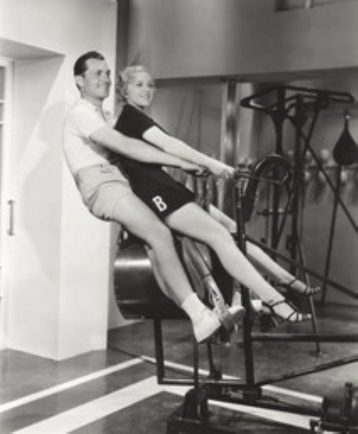
Fitness movements like aerobics, calisthenics, and gymnastics gained popularity. Physical culture magazines popularized weight training.
Notable figures were bodybuilding pioneer Eugen Sandow and Jack LaLanne, known for “fitness for the masses”.
There was also a public health focus as Governments encouraged fitness for military readiness and public health.
Mid to Late 20th Century (1950 to 1990)
Fitness became recreational, not just functional.
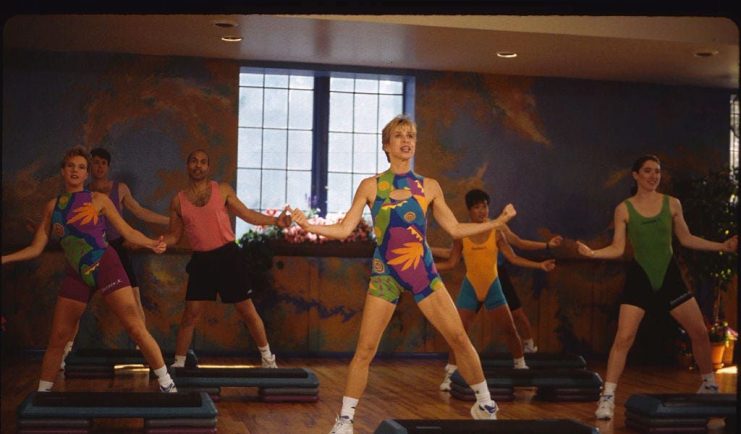
There was an aerobics and cardio explosion, while running, cycling, and swimming became mainstream.
Jane Fonda’s aerobics videos in the 1980s popularized home workouts. Weight training became widely popular for both men and women.
Fitness as lifestyle gained traction with gyms, health clubs, and group classes becoming commonplace.
Late 20th Century to Early 21st Century (1990 to 2010)
There was a real diversification of fitness trends. Yoga and Pilates became popular for flexibility and core strength, CrossFit, boot camps, and functional training for high-intensity workouts.
Running and cycling marathons became social and community events.
Modern Era (2010 to present)
Fitness is now seen as a lifestyle. There is an emphasis on holistic wellness, mental health, nutrition, and recovery.
Inclusivity and diversity is at the forefront with programs for all ages, body types, and abilities.
Influencers and online communities drive trends.