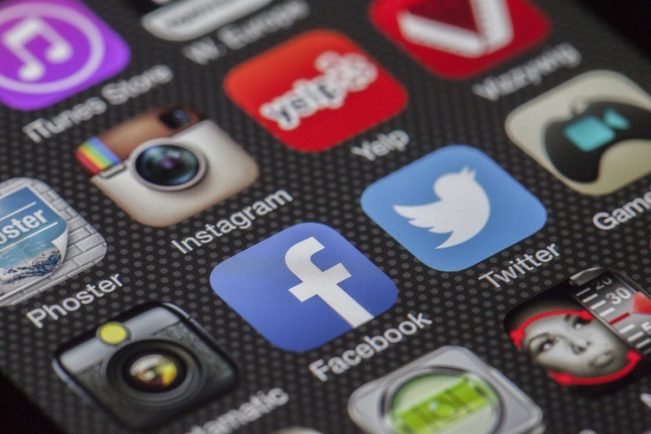
Australia has begun an unprecedented experiment that will force roughly a million underage social media accounts offline this week.
From Wednesday, platforms including Meta’s Instagram and Facebook started notifying young users that their profiles will be shut down until they reach 16, a move that marks the world’s first nationwide attempt to bar under 16s from large parts of the online world.
After years of resistance, major tech companies have accepted the new requirements and agreed to introduce age verification systems designed to keep most younger teens out. If the policy proves workable, governments elsewhere are expected to consider similar steps, a shift that would shrink the audience of the biggest platforms and call into question how easily future generations will be drawn into social media once they finally gain access.
There are, however, doubts over the law’s effectiveness. Teenagers familiar with digital loopholes can turn to VPNs or migrate to newer, lightly regulated apps. Others may simply find ways around the verification process.
Parents in Australia have largely greeted the change with relief. A YouGov poll last year suggested strong backing for the restrictions, with a clear majority in support. Many parents say they have become increasingly worried about the effects of screen addiction, the ease with which children encounter harmful material online, and the difficulty of controlling what youngsters see even with filters in place. Child therapists also report rising concerns about behaviour trends among children who spend long periods online.
At the National Press Club, Australia’s communications minister Anika Wells described social media as a “dopamine drip” and said the government’s aim was to protect Generation Alpha from what she characterised as “behavioural cocaine”. The legislation was driven by Australia’s Labor government under prime minister Anthony Albanese and championed by major newspapers in the News Corp stable, which had argued forcefully in favour of tougher restrictions.
The international implications of Australia’s move are already becoming clear. France has discussed a ban for under 15s along with a digital curfew for older teenagers, Denmark has proposed blocking under 15s unless a parent gives permission, and several US states require age checks or parental consent. Florida has attempted an outright bar on under 14s, although that measure remains under legal review.
UK ministers have so far been cautious. The Online Safety Act, which became law in 2023, has only recently begun to take effect, with age checks introduced for pornography sites over the summer. Technology secretary Liz Kendall said last week that banning smartphones is not current policy, noting the need for a balance between safety and helping young people navigate the online world. She did indicate plans to ensure AI chatbots fall under the UK’s online safety rules. A government spokesman said the UK is watching Australia closely and stressed that any next steps must be grounded in strong evidence.
Despite most social media platforms formally setting a minimum age of 13, Ofcom research suggests the majority of under 12s already have at least one account on a major service. Smartphone ownership climbs dramatically through the teenage years, making online access easy to maintain even where rules exist.
Campaign groups in Britain say Australia has shown that bolder action is possible. Supporters of tighter controls argue the public appetite for intervention is growing. Some UK politicians have seized the moment, pushing for amendments that would compel the government to copy Australia’s approach within a year.
Tech companies, for their part, warn the Australian law could have unintended consequences. YouTube has criticised the legislation as rushed and argued that pushing teenagers off mainstream platforms could make them less safe, not more. Early download charts in Australia appear to back this concern, with relatively unknown apps, including those without strict age checks, climbing rapidly in popularity.
Legal challenges have already emerged. Two 15 year olds in Australia have asked the country’s high court to rule the ban unlawful, saying it infringes their right to express themselves and comparing the measures to the dystopian control described in Orwell’s novel Nineteen Eighty Four.
Some online safety experts in Britain also question whether blanket bans are the answer. They argue the failures of large tech companies should not be dealt with by excluding children altogether, and warn that teenagers are likely to drift toward less regulated parts of the internet if denied access to mainstream sites. Their calls focus instead on strengthening the Online Safety Act to hold platforms to account.
Scientists remain divided about the long term effects of social media on children’s mental health. Several prominent studies from the Oxford Internet Institute in 2023 concluded that there was no clear evidence linking heavy social media use to widespread psychological harm and that increased screen time did not appear to impair cognitive development. Nonetheless, clinicians, teachers and police officers repeatedly raise concerns about bullying, grooming, classroom disruption and the rising number of young people in crisis after spending long periods online.
Australian parents who support the ban hope it will buy their children extra breathing room to grow up away from the constant pull of apps. Many in the UK, watching closely, may soon begin asking whether Westminster will be prepared to follow Australia’s lead.
Have your say below, let us know whether teens should be barred from social media, whether Australia has gone too far, and if you would support similar rules being brought in across the UK. Let us know in the comments.