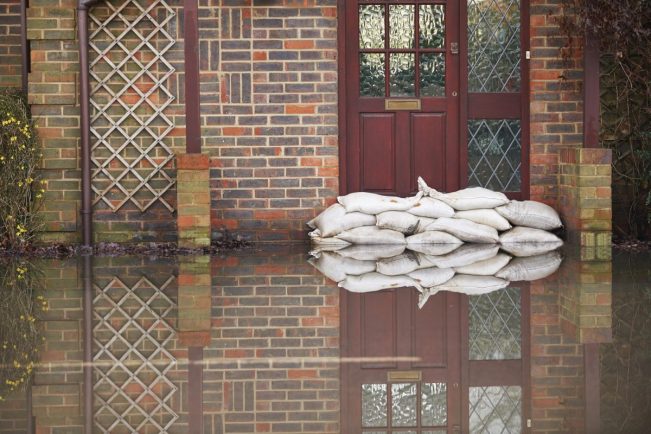
The UK is no stranger to unpredictable weather, but recent years have seen an escalation in the frequency and intensity of extreme weather events.
From devastating floods in Yorkshire to record-breaking heatwaves in London, these phenomena are reshaping the way communities live, work, and plan for the future.
As climate change accelerates, the need for adaptation strategies becomes more urgent. Here’s how UK communities can prepare for the challenges ahead.
Understanding the Risks
Extreme weather events in the UK have distinct regional patterns. Northern Scotland experiences severe storms and heavy rainfall, while southern regions like East Anglia and Southeast England grapple with heatwaves and droughts. Meanwhile, Wales and the Southwest go through a mix of storms, floods, and heat extremes.
Rising global temperatures influence these patterns by increasing atmospheric moisture and disrupting jet streams and ocean currents. As a result, heavy rainfall events, prolonged
heatwaves, and winter storms are becoming more common, posing significant risks to public health, infrastructure, and local economies.
Investing in Resilient Infrastructure
One of the most pressing needs is upgrading infrastructure to withstand extreme weather. Flooding alone costs the UK economy between £1.1 billion and £2.2 billion annually. To combat this, the government has committed £5.2 billion to flood and coastal defences over six years. However, more investment is needed to maintain and expand these systems.
Local councils can play a key role by implementing sustainable urban drainage systems (SUDS) to reduce flood risks. These systems use natural processes, like rain gardens and permeable pavements, to manage stormwater effectively. Retrofitting older buildings to resist flooding and extreme heat should also be prioritised, ensuring that homes and businesses can endure future challenges.
Enhancing Community Awareness
Preparedness begins at the local level. Educating communities about the risks associated with extreme weather and the steps they can take to mitigate them is vital. Public awareness campaigns can highlight the importance of personal preparedness, such as assembling emergency kits, securing properties against floods, and staying informed about weather alerts.
Schools, community centres, and local authorities can organise workshops and drills to teach residents how to respond to floods, heatwaves, and storms. Such initiatives not only save lives but also foster a sense of collective responsibility and resilience.
Green Urban Planning
Urban areas face unique challenges, particularly during heatwaves. The “urban heat island” effect—caused by concrete and asphalt trapping heat—can make cities significantly warmer than surrounding rural areas. Increasing green spaces in cities is a proven way to mitigate this effect.
Planting trees, creating rooftop gardens, and establishing urban forests can reduce temperatures, improve air quality, and provide shade. Moreover, integrating natural flood defences like wetlands and mangroves into urban planning can help absorb excess rainfall, reducing flood risks.
Local councils should prioritise climate-conscious zoning and construction regulations, ensuring that new developments incorporate features to handle extreme weather.
Protecting Vulnerable Populations
Extreme weather disproportionately affects vulnerable groups, including the elderly, children, and low-income families, even those with the best boilers and heating systems. During heatwaves, older adults are particularly at risk of heat-related illnesses, while low-income households may struggle to afford air conditioning or heating.
To address this, communities can establish “cooling centres” in public buildings during heatwaves and ensure access to clean water and electricity during storms or floods. Providing financial support to retrofit homes with energy-efficient insulation, double glazing, and cooling systems can also help protect vulnerable residents.
Advancing Sustainable Agriculture
Farmers are on the front lines of climate impacts, facing challenges like droughts, floods, and shifting growing seasons. Developing climate-resilient crops, improving irrigation systems, and adopting sustainable farming practices are essential for maintaining food security.
Local governments can offer grants and training programs to help farmers transition to practices like no-till farming, agroforestry, and water-efficient technologies. These measures not only safeguard agricultural productivity but also promote biodiversity and soil health.
Strengthening Emergency Services
Extreme weather events demand rapid and coordinated responses. Ensuring that emergency services are well-equipped and adequately staffed is crucial. Local governments should invest in modern rescue equipment, early warning systems, and real-time communication networks to improve response times and minimise damage.
Community-based volunteer networks can also bolster emergency efforts. For instance, flood wardens and neighbourhood watch programs can help monitor local conditions and support evacuation efforts when needed.
Harnessing Technology
Technology offers powerful tools for predicting, monitoring, and adapting to extreme weather. For example, advanced weather forecasting systems can provide earlier warnings, giving communities more time to prepare.
Smart city technologies, like sensors that monitor flooding or heat levels, can help authorities respond proactively. Additionally, mobile apps can guide residents on how to stay safe during extreme weather, offering real-time updates and personalised advice.
Advocating for Policy Change
Local communities must also push for broader policy changes. National and regional governments need to prioritise climate adaptation alongside mitigation efforts. This includes
increasing funding for research into extreme weather, expanding renewable energy projects, and enforcing stricter building codes to ensure new constructions are climate-resilient.
Communities can amplify their voices through grassroots movements and collaboration with environmental organisations. Engaging in the policy-making process ensures that local concerns and needs are considered in national strategies.
Conclusion
Adapting to extreme weather is no longer a choice but a necessity for UK communities. By investing in resilient infrastructure, enhancing public awareness, and adopting green planning practices, local governments and residents can reduce the impacts of floods, heatwaves, and storms.
Written by Ciaran Wark