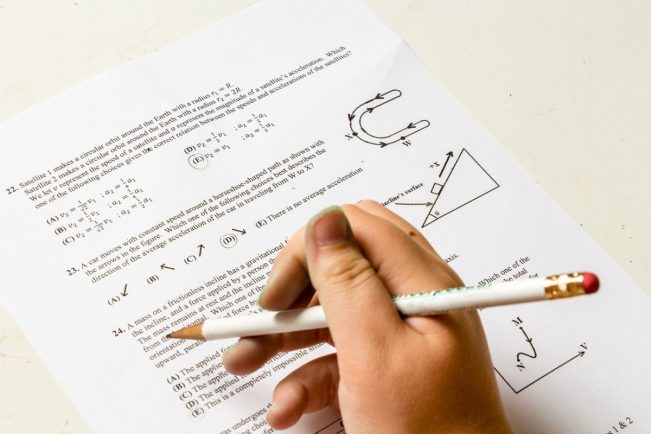
Success in GCSEs opens doors to further education and builds confidence and essential skills for future endeavours.
But they can also make you incredibly anxious. You can give yourself the structure you need with a comprehensive revision plan, past papers and healthy study habits.
Create a Comprehensive Revision Plan
The foundation of exam success lies in effective planning. Start by creating a detailed revision timetable that covers all your subjects. Break down each subject into manageable topics and allocate specific time slots for revision. Be realistic about the time you can dedicate each day, and don’t forget to include breaks and leisure activities to maintain a healthy balance.
Remember to prioritise subjects or topics you find more challenging, allocating more time to these areas.
Understand Your Learning Style
Everyone learns differently, and understanding your personal learning style can significantly enhance your revision efficiency. Common learning styles include visual (learning through seeing), auditory (learning through hearing), and kinesthetic (learning through doing).
If you’re a visual learner, try using mind maps, diagrams, and colour-coded notes to reinforce key concepts. Auditory learners might benefit from recording and listening to their notes or explaining concepts aloud. Kinesthetic learners could try hands-on activities, such as creating models or using flashcards.
Utilise Active Recall Techniques
Passive revision, such as simply reading through notes, is often less effective than active recall methods. Active recall involves testing yourself on the material you’ve learned, which helps reinforce knowledge and identify areas that need further attention.
Try techniques like the ‘blank page method’, where you write down everything you can remember about a topic without referring to your notes. Flashcards are another excellent tool for active recall, allowing you to test your knowledge of key terms, dates, and concepts.
Past Papers Can Give You More Confidence
One of the most effective ways to prepare for your GCSEs is by practising with past exam papers. This strategy not only familiarises you with the exam format and question styles but also builds your confidence in tackling real exam questions under timed conditions.
Start by attempting questions without time pressure, focusing on understanding the requirements and formulating thorough answers. As you progress, introduce timed practice to improve your speed and accuracy.
Reviewing your answers against the mark scheme is crucial. This process helps you understand how examiners allocate marks and what they’re looking for in responses. Pay close attention to command words (like ‘describe’, ‘explain’, or ‘evaluate’) and ensure you’re addressing all aspects of the question in your answers.
Regular practice with past papers can significantly boost your confidence, reducing exam anxiety and improving your performance on the day. IGCSE Chemistry is a tough subject and looking at past papers can really help. Explore IGCSE Chemistry at Save My Exams and see how they can help. They offer revision tools to help you ace your exams.
Develop Effective Note-Taking Skills
Good note-taking is a skill that will serve you well beyond your GCSEs. During revision, focus on condensing your class notes into concise, easy-to-review summaries. The Cornell Method, which divides your page into sections for notes, cues, and summary, can be an effective way to organise information.
For subjects with lots of factual information, consider creating fact sheets or cheat sheets that distil key points into a single page. This process of summarising helps reinforce your understanding and creates a quick reference guide for last-minute revision.
Implement Healthy Study Habits
Your physical and mental well-being plays a crucial role in your academic performance. Ensure you’re getting enough sleep – 8-10 hours per night for teenagers is about right.
Establish a consistent sleep schedule and create a relaxing bedtime routine to improve the quality of your rest.
Regular exercise can boost your mood, reduce stress, and improve cognitive function. Aim for at least 60 minutes of physical activity daily, even if it’s just a brisk walk or a quick workout session.
Nutrition is equally important. Fuel your brain with a balanced diet rich in fruits, vegetables, whole grains, and lean proteins. Stay hydrated by drinking plenty of water throughout the day.
Manage Stress and Anxiety
Exam stress is common, but there are effective strategies to manage it. Mindfulness and meditation techniques can help calm your mind and improve focus. Apps like Headspace or Calm offer guided meditations specifically designed for students.
Deep breathing exercises or progressive muscle relaxation can be quick and effective ways to reduce anxiety, especially before or during exams. Practice these techniques regularly so you can easily implement them when needed.
Reach out for support if you need it. Talk to your teachers, parents, or school counsellor about your concerns. Organisations like Young Minds also offer resources and support for students dealing with exam stress.
Collaborate with Peers
While individual study is important, collaborating with classmates can enhance your learning experience. Organise study groups to discuss complex topics, share resources, and quiz each other on key concepts, either in-person or online. Teaching a concept to others is an excellent way to reinforce your own understanding.
Remember to choose study partners who share your commitment to academic success. A well-organised study group can provide motivation, support, and fresh perspectives on challenging topics.
Written by James Howard